Find Bangladeshi Support Workers
Our Bangladeshi support workers don’t merely help—you, they come with understanding, respect, and a sense of community.
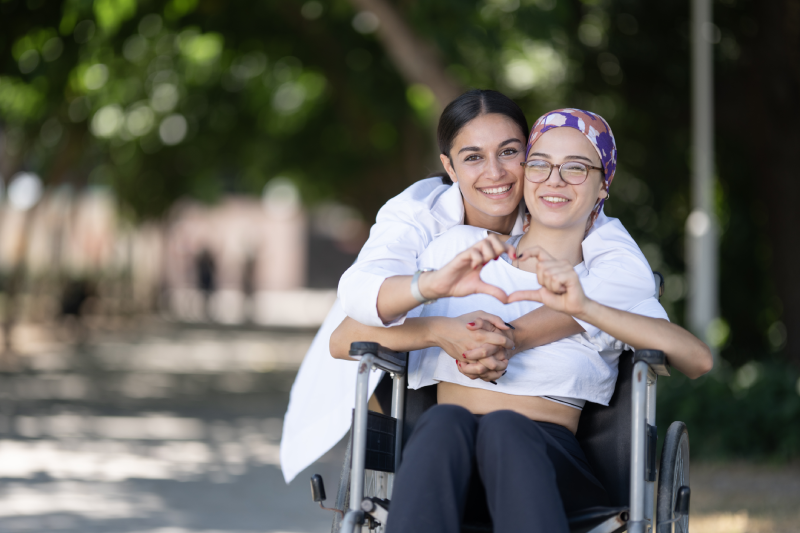
Compassionate Disability Support Services for the Bangladeshi Community in Australia
Physical, emotional and social challenges are involved in living with a disability. But add language barriers, cultural differences, and unfamiliar systems to the mix and it can feel all the more overwhelming. In Australia, a lot of Bangladeshi families face challenges when it comes to finding disability support that appreciates their values, culture, and everything else that they do on a daily basis.
That’s where Support Network comes in. Our Bangladeshi support workers don’t merely help—you, they come with understanding, respect, and a sense of community.
We only make the best match for you!
The Importance of Culturally Aligned Support
For many others in Bangladesh with disabilities, receiving assistance from someone who speaks their language and understands their culture is not just a convenience — it’s a necessity.
- Language Barriers — A lot of this community does not communicate in English and can’t express themselves properly to be able to access care, or express how they’re feeling. This gap is filled by a Bangladeshi support worker.
- Cultural Understanding – From food preferences to religious practices, a worker with cultural alignment respects and maintains an individual’s lifestyle so that the person can feel comfortable and dignified in care.
- Family Involvement – In Bangladeshi culture, family is at the center of caregiving. We are aware of this and collaborate with families to ensure that their own support system is integrated into the context of personalized care we provide.
- Religious Sensitivity – If this is prayer times, halal food or traditional clothing preferences, our support workers will respect and accommodate religious needs with no judgment.
The Complexity of Professional Relationships in the Bangladeshi Disability Community in Australia
Cultural expectations and distrust of mainstream services prevent many Bangladeshi families from reaching out for help. Common challenges include some of the following:
- Fear of losing independence – One concern many persons with disabilities have is that by seeking help, they lose their ability to make decisions about their own lives.
- Community stigma — Mental and physical disabilities are often seen as a weakness.
- Limited knowledge of available services — Many families don’t realize what support is available to them, particularly within the NDIS.
- Struggling to find support workers who “just get it” – The embarrassment of having a care worker who doesn’t know about Bangladeshi customs means that care can feel very impersonal.
That's the reason our Bangladeshi disability support services are framed to feel like an expansion of family, not a service.
How We Make a Difference
At Support Network, we don’t just give care, we give companionship. Our support workers:
- Communicate by speaking Bangla, Sylheti and English.
- Safeguard and respect Bangladeshi traditions when caring
- They are beneficial to their students while providing help where needed.
- Guide families through the NDIS, ensuring they receive the support they’re owed.
Your loved one deserves considerate, culturally competent care — and we are ready to offer that.
Importance of Language & Cultural Knowledge of Bangladeshi in Supporting People with Disabilities
Imagine finding yourself in need of help for something as intimate as daily care, but the person helping you doesn’t speak your language, doesn’t grasp your customs, doesn’t share your values. You attempt to explain, but they don’t grasp all of it. You feel unseen, awkward, and angry.
This is the real-life experience of many of a large group of Bangladeshi people with disabilities living in Australia. They require assistance — not just physical but emotional, cultural and linguistic. They require someone who understands. Someone who knows without the need for every little detail to be described.
At Support Network, we want you to feel like care can and should be natural, familiar, and easy. Which is why we have Bangla-speaking support workers who offer more than care but a sense of belonging.
The Power of Speaking in Your Own Language
Language is not just words — it’s comfort, it’s identity, it’s connection. But everything changes when a support worker speaks Bangla, Sylheti or Chittagonian. There’s nothing to struggle to explain. No worry of being misunderstood.
- Communication – Avidyapatyam means personal needs, appointments, and emotions about care. It is easier for you to explain things like pain, discomfort, or feelings of frustration in your own language.
- Instant Trust — A Bangla-speaking support worker is not only a carer, they feel like old friends in a new country.
- No Lost Meaning — Miscommunications in care lead to stress, discomfort and even medical danger. Being able to speak the same language eliminates that barrier completely.
And when communication comes easily, so does care quality.
Why We Need To Respect Culture That Shapes Care
Support is not just about help with activities of daily living — it’s about ensuring that life feels normal, comfortable and dignified. And in Bangladeshi culture, the rhythm of daily life is infused with traditions, religious observances and values that inform everything from food to social interactions to family structure.
- Having Understanding of Religious Customs – From prayer times to fasting in Ramadan to halal diet requirements, the culturally aligned support worker will already know these things without reminders.
- Limits with Personal Care – While some care tasks, like personal hygiene support, are sensitive and privacy-seeking. Modesty and dignity are important aspects of care for a Bangladeshi support worker.
- Meals That Taste Like Home — Food is emotional. A support worker from Bangladesh, whose culture also prioritizes meals steeped in traditional spices, understands the comfort of familiar dishes and the need to eat within cultural customs.
A support worker who understands (that’s what we are, support workers) does not only render care but also brings with them comfort, familiarity and respect.
Personalized Care for Every Need: Our Bangladeshi Disability Support Services in Australia
Disability support is a holistic approach—it’s not just about medical help. It’s about feeling safe and heard and valued in every moment of care. System. For Bangladeshi people in Australia, that means they had way support workers not just spoke your language but were accustomed to your traditions and provided care that felt like home.
Our services are designed for Bangladeshi people, who might seek aged care, personal care, social care, or home support.
Aged Care & Disability Support – Care with Cultural Insight
Aging, especially with disability, can feel like the loss of independence, but with the right support, life can continue to be full, dignified and meaningful.
For older Bangladeshis, transitioning to care is especially challenging. Most grew up in a culture in which family does everything for each other. Asking for help doesn’t feel right (at first). However, our support workers honour that cultural mindset and partner with families to make that process easier.
- Support with everyday needs in a gentle and dignified way.
- Sensitivity to religious observances, dietary requirements, and individual preferences.
- Preventing independence were able, supporting where necessary.
Bangladeshi support workers help our elderly clients feel at home a world away from their native land.
Personal Care Helpers — Providing Personal Care with Dignity
Everyday activities can be overwhelming for those with mobility issues, chronic illnesses, or disabilities. To be cared for should never be a loss of dignity.’
Our Bangladeshi support workers understand privacy, personal boundaries, and cultural preferences when assisting with:
- Mobility and transfers – Support to move safely without compromising independence.
- Grooming and hygiene both cultural and personal – Help with bathing, dressing and personal care.
- Toilet and continence care – Support workers who help people stay comfortable, clean and private.
With us, the support comes in a comfortable, respectful way — never hurried, never cold.
Community Participation — Never Too Far Away
Disability can be isolating. Being in a different country, away from your community, makes it even harder. We keep our clients connected to culture, their people, community.
We motivate through our Bangladeshi community participation programs:
- Sundays at cultural events, religious gatherings, and Bangladeshi social functions.
- Group outings, exercise programs or creative activities meant to promote confidence.
- Assistance to develop new skills — be it English classes, skills training or even just the confidence to venture out on their own.
We don’t just offer care—we enable people to belong.
Home & Daily Living Support – Maintaining Daily Process
A home should feel comfortable, safe and manageable. Of course, many people with disabilities find household tasks exhausting or impossible to accomplish without assistance. Our support workers go out — not to take over, but to make sure people can remain healthy in their own homes.
We provide:
- Housekeeping support – Cleaning, laundry, and household organization
- Meal preparation — Culturally appropriate, homemade meals tailored to dietary needs.
- Help with errands and shopping — Helping clients avoid the stress of daily life.
It’s about mental well-being, comfort, and a sense of control, not just about cleanliness. That is why we help people keep their homes running smoothly — and without a feeling of burden.
Palliative & Respite Care — Providing Families Care During Their Most Difficult Times
Caring for a family member with a disability, terminal illness, or chronic condition can be draining — physically, emotionally and mentally. It’s okay to need a break.
- Respite Care – When family caregivers require some time away to rest and recharge, we come to the rescue with caring, professional services when they’re needed.
- Palliative Care — End-of-life care should be gentle, dignified, and comforting — not only for the person, but for his or her family.
We relieve the burden by ensuring that your loved one is taken care of with dignity, love, and that the care they receive is consistent with their values.
Social Inclusion — Keeping Bangladeshis Connected in Australia
Membership in a community isn’t a nice-to-have — it’s a fundamental human need. A life of real people, extended family, loved ones, common traditions and familiar conversations can do wonders. This is why social inclusion is at the forefront of what we do at Support Network here amongst our disability support services. For our Bangladeshi support workers, care is about more than support at home, it’s about assisting people to engage with the world in an enjoyable, safe and empowering way.
Participating in Religious and Cultural Events – Enjoining with your Traditions
For most Bangladeshi families, faith and culture formed the bedrock of our daily life. And whether it is going to mosque, celebrating Eid or just being in a meeting with familiar figures, it is a short oasis of comfort and belonging. But when disability or mobility issues interfere, many find themselves retreating from traditions that once brought them pleasure.
And Bangladeshi support workers help get rid of those obstacles. Whether that be arranging safe transport to the mosque, support with prayer, or ensuring that an individual can participate in community iftars throughout the month of Ramadan, we ensure that no one gets left behind. Having faith shouldn’t end because of a disability — it should be encouraged every way possible.
Finding People Who Understand — Joining Bangladeshi Social Groups
Living in Australia is sometimes an in-between place — fitting into a new culture but also keeping your childhood one. For people with disabilities in Bangladesh, this struggle is even more palpable. Many shy away from social situations because they feel different, because they fear being misunderstood or simply because they don’t feel like meeting new people.
But socializing doesn’t need to feel forced or alien. You have data until October 2023 Be it signing up for a Bangladeshi seniors’ club, enrolling in local programs or securing a platform where their perspective can make a difference, our support workers make sure that they don’t march alone.
Language-Based Companionship – The Power of Speaking in Bangla
There’s a feeling of relief in speaking in your own language that comes straight away — the comfort of not having to hunt for words, of not feeling as if you’re outside a door, peering in at some crew whose code you don’t understand, and of not having to struggle to be understood. For many Bangladeshi people, especially those with disabilities, communication isn’t merely a matter of talking — it’s about connection.
Having a Bangla-speaking support worker is not just about getting help; it’s about having a person to share your thoughts with, a person to laugh with, a person to confide in. It’s about having tea and talking about home, about memories, about the things that matter most. Mental health isn’t about getting your medical care— it’s about being able to have a conversation that feels casual, that feels like if you speak to it you’ll be heard, that you’re being understood by someone other than the services they can provide.
Empowering Independence: Skills-Based Training & Living Aids
Picture this: A world in which your beloved doesn’t have to depend on anyone for each detail. Where they could lead the day, make choices, and enjoy the thrill of doing things independently. That’s the future we’re building here — one skill at a time.
Straddling Dependence and Independence
Thousands of individuals with a disability can find even the most simple of tasks daunting. Even something as simple as preparing a meal, tracking expenses, or washing laundry has the potential to become a daunting task that eats away at confidence and self-worth. However, here’s the reality — being independent doesn’t mean doing everything solo, it means having the right support to develop skills that bring meaning to life.
That’s where we step in. Working closely with hundreds of volunteers, our Bangladeshi support workers do more than provide assistance — they teach, they guide, they raise individuals up to gain the skills that will enable them to make the best of their lives.
Strengthening Yourself Through The Little Things
We come alongside people, chipping away at their work in digestible bites and cheering after every single victory. Our approach includes:
- Cooking & Meal Preparation — Making a simple meal is not only about food, but about self-reliance, creativity and instilling a sense of accomplishment.
- Budgeting & Financial Management – Learning to do something with money, knowing where the money goes, and learning to make financial decisions independently are some essential life skills. We keep this process hands on and fun.
- Household Management – Covering everything from laundry services to personal organization, we help our clients take control of their environment, encapsulating the feeling of a real home.
- Social & Communication Skills – It could be a trip to the grocery store or small talk with someone, we empower our children to feel confident to interact with the world around them.
Supporting Bangladeshi Families Through NDIS in Australia
For most Bangladeshi families in Australia, the National Disability Insurance Scheme (NDIS) could be an overwhelming journey. The forms, the funding, the eligibility guidelines — it’s a system that’s meant to help, but if you don’t have the guideposts, it can become a confusing maze. Struggling to understand what support families can get, how to apply, or even how just telling their needs.
That’s where we come in. We don’t simply provide services; we accompany you on your journey, your loved one at your side, as they receive the care, support and opportunities needed to thrive.
Smart NDIS Plan Management: Making Each Dollar Count
A lot of families question if they’re getting the full benefits out of their NDIS plan. In the absence of appropriate direction and proper allocation of funds, individuals might not only not be able to access them, but also such funds can be misappropriated, resulting in individuals not being able to avail the services which are critical to their survival.
We assist Bangladeshi families by:
- Learn everything about NDIS funding and how you can make the most out of it to achieve the best outcomes.
- Effectively manage budgets to ensure support services are used appropriately.
- Process the paperwork, coordinate invoices and pay providers — so families can focus on what matters most: caring for their loved ones.
Knowing What You are Entitled To – No Family Left Behind
Did you know that so many people who could get support never do because they don’t know what they are entitled to? We ensure that doesn’t happen.”
We take the time to understand your individual needs, and then share, in clear and straightforward language, specifically what your loved one is entitled to under the NDIS. We make sure that every Bangladeshi family has access to the spectrum of support available to them, be that assistance with daily living, therapy, or specialized care.
People Have It Easier to Speak in Their Preferred Language
One of the most significant hurdles in receiving the right disability support can be overcoming those language barriers. Many families have difficulty communicating their needs, and therefore they are not getting the services that are most beneficial to them.”
That’s why we offer Bangla-speaking NDIS coordinators, who:
- Use your mother-tongue language to explain each step of the process.
- Assist you in making fully knowledgeable decisions.
- Help bring NDIS providers and Bangladeshi families together without loss in translation.
Contact Us – Because Every Person Deserves the Right Support
When it comes to caring for children with disabilities or supporting a loved one, the journey can feel overwhelming. Whether you’re navigating the rights of persons with disabilities or searching for the right disability support worker , you shouldn’t have to do it alone.
We believe in an inclusive society where the majority of persons with disabilities get the support they need—not just in words, but in real, life-changing ways. No matter the form of disability, every individual deserves accessible health services, quality care from health professionals, and guidance from dedicated health service providers who truly understand their needs.
Many persons with disabilities reported struggling to access the right care, often due to a lack of financial assistance, social assistance, or even basic Social Protection. Our mission is to change that by improving accessibility for persons with disabilities and ensuring every individual, regardless of their level of persons affected by disability, gets the right help at the right time.
From finding an assistive device to securing long-term service for people who need specialized care, we are here to support you. If you need help understanding your options or navigating disabilities in terms of funding, resources, or everyday support, persons with disabilities will always find a caring, understanding team here—ready to listen and help.
Reach out today. Let’s make life more accessible, one step at a time.
Find Cultural Support Workers
- Arabic Support Workers
- Bangladeshi Support Workers
- Cambodian Support Workers
- Chinese Support Workers
- Ghanaian Support Workers
- Greek Support Workers
- Indian Support Workers
- Indonesian Support Workers
- Italian Support Workers
- Nepali Support Workers
- Spanish Support Workers
- Thai Support Workers
- Vietnamese Support Workers
- Filipino Disability Support Workers
- Korean Disability Support Workers
- Persian Disability Support Workers
- Aboriginal and Torres Strait Islander Disability Support Workers
Let’s figure it out together
No pressure. No confusion. Just clear, kind guidance — one step at a time.