Parkinson's Disease Home Care Services
If you're looking for dedicated, Parkinson’s-specific care that prioritises both comfort and dignity, we’re here to help.
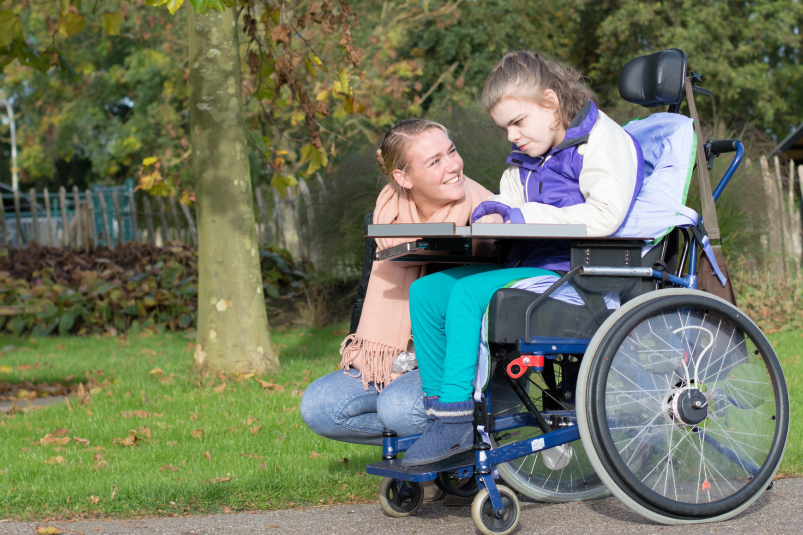
Personalized Parkinson’s Care Services: Tailored Support for Every Stage
At Support Network, we understand that there is no one-size-fits-all experience of Parkinson’s. Compared to our approach which is tailored, never one-size-fits-all. Our continuum of personalized, comprehensive care is designed according to the needs of the patient at any phase of the disease, allowing each one to continue receiving the care needed right now. Our goal is not just to offer assistance — we want to enhance quality of life, promote independence, and to provide caring, professional support at every turn.
Adapting to the Progression of the Disease
Parkinson’s symptoms change over time, and care must be flexible and responsive. In the early stages, they may need only mild walking assistance or reminders for hygiene or medication use. As the disease progresses, daily tasks become harder and harder, and care workers provide the hands-on support needed for clients to remain safe while preserving as much independence as possible. In the later stages, 24-hour assistance may be required with movement, speech and meals. Regardless of stage — and excellent palliative care is hard pressed to be flawless at any point on the continuum — the people who come to our practice are trained to offer the same type of respectful, patient-centered approach, where dignity and comfort take precedence.
Specialized Movement Support
Parkinson’s damages movement, balance, and coordination, making normal tasks more difficult. Our Parkinson’s trained care workers encourage safe mobility through specific techniques when walking, to help reduce the risk of falls and to ensure a good posture. From transfer assistance, teaching use of an assistive device, and doing specific mobility-focused exercises, we want folks moving, but not afraid.”
Cognitive Stimulation and Mental Engagement
Along with physical challenges, Parkinson’s can impact memory, speech and cognition. Our care workers use memory books, speech exercises and sensory engagement tactics to help slow cognitive regression. We go about it in various ways and these steps include helping with schedule formation, communication hacks, and interesting activities that stimulate the brain by boosting mental toughness and emotional wellness.
Call Support Network on 1300 671 931 – get trusted Parkinson’s care support in every part of Australia Let us provide the love, care and skills your loved one needs.
Expertly Trained Parkinson’s Disease Care Workers: Compassion Meets Professionalism
Caring for someone with Parkinson’s disease takes more than skill — it takes a lot of understanding, patience and commitment to keeping dignity. The Parkinson’s disease care workers at Support Network are more than caregivers, they are daily victory partners, challenging moment companions, and professionals committed to ensuring the highest level of compassionate care.
We pride ourselves on our specialized training, ability to connect, and mission to improve quality of life. Whether by providing gentle physical support, companionship and meaningful conversation or by recognizing the subtle signs of distress, our care workers are not just delivering routine assistance, they are ensuring an environment where the person feels valued, respected and empowered.
Specialized Training for Parkinson’s-Specific Care
Caring for a person with Parkinson’s disease involves specialized expertise. We train our care workers thoroughly so that they are confident and skilled to manage the complexity of the condition. This includes:
- Identifying and addressing the symptoms – Knowing about tremors, rigidity, freezing episodes, and variations in movement; to keep others safe and help prevent fall accessibility.
- Advanced communication techniques – Softened speech, difficulty producing speech bubbles and the patience to hear someone with Parkinson’s can experience cognitive changes. To facilitate high-quality interaction, our caregivers are instructed in individual verbal and non-verbal communication techniques.
- Psychological and mental awareness — Parkinson’s can present emotional hurdles like anxiety, depression, and frustration. Our care workers offer gentle reassurance, active listening, emotional support and help individuals cope.
- Personalized approach – No two people with Parkinson’s have the same experience. Our caregivers adjust their approach to suit the personal needs, preferences, and comfort levels of those they care for.
Beyond Task-Based Care: Providing Genuine Companionship
Parkinson’s is isolating, but nobody needs to go through this experience alone. Because our care workers do so much more than assist physically, they share companionship and emotional support that really enhance quality of life.
- Deep discussions that stimulate the thoughts and enliven the mind.
- Support with hobbies and passions to promote a sense of pride.
- Accompanying clients to community events, appointments, or outings to ensure social connection.
- Being a steady presence so people and their families feel supported every step of the way.
We lead the way in Parkinson’s disease care throughout Australia. Our caregivers provide exceptional care with compassion, dignity, and professionalism, helping all those who require are to enjoy the highest experience possible.
Daily Living Assistance for Parkinson’s Disease Care Support: Making Everyday Tasks Easier
Life with Parkinson’s disease comes with challenges that can make even the simplest daily activities seem daunting. Everyday tasks such as dressing, preparing food or moving about the house can become harder as mobility and motor control deteriorate. Support Network believes that everyone should have the opportunity to introduce into their daily lives dignity, independence, and choice. When it comes to daily living assistance, we are practical, prepared, and dedicated, helping those who rely on us continue their daily lives as gracefully as they can.
We understand that the level of support required differs for everyone. Some by nature need very little guidance, others need tons of help up close. Our team of trained Parkinson’s care workers provides the support you need, at the right time, to help you balance independence and support to maintain the highest quality of life.
Creating a Safe and Supportive Environment
Safety is always the keyword in providing daily activities support for people with Parkinson’s disease. Muscle stiffness, impaired balance, and freezing episodes significantly increase the risk of falls. We take a proactive approach to fall prevention and movement support to minimize risks and promote mobility.
- Home safety adjustments — Recognizing and eliminating fall hazards like loose rugs, uneven flooring and dimly lit areas.
- Mobility and transfer support – Using the correct techniques when helping someone to move from room to room, in and out of bed or from sitting to standing.
- Mobility Assistance and Adaptive Equipment – Integrating walkers, grab bars, and assistive devices to ensure stability and increase ease of movement.
- Supervised movement and activity planning – Supporting safe, purposeful movement to reduce stiffness and enhance circulation.
By being proactive and addressing safety concerns before they become an issue, you can ensure that their home is free from common hazards while also creating an environment that is secure and comfortable and which promotes independence.
Tremor-Friendly Meal Preparation and Personal Care Assistance
People with Parkinson’s can find eating and personal hygiene frustrating and tiring. We help keep day-to-day care routines sustainable and dignified, including:
- Meal assistance – Eating can become a difficult task because of hand tremors and trouble with swallowing due to Parkinson’s. Our caregivers support with cooking, adaptive utensils, and steady-handed assistance, ensuring that people can eat with ease and comfort.
- Dressing and grooming assistance – It can get hard to button a shirt, zip up a zipper or brush the hair. For daily routines, we introduce each clothing technique simply and help when needed.
- Personal hygiene assistance – Personal washing and grooming are permeated with dignity and tact, which allows you to completely perceive the cleanliness, comfort, and confidence.
Encouraging Independence with Gentle Guidance
We know that the feeling of being autonomous is just as valuable as being helped. We are not trying to take over tasks, but instead allow for participation at a rate where people will be able to remain engaged with their everyday lives.
Our caregivers:
- Giving patience and support while never rushing the task.
- Tailor support to personal needs and skills.
- Let there be some victories to celebrate, little freedoms that deserve a round of applause.
- Provide emotional safety, assisting people in re-establishing faith in their capabilities.
We enable you to Trained in specialized, compassionate & professional Parkinson disease care support that eases, defers & enriches the daily journey. Let us help you honor your loved one to live with dignity, comfort and autonomy.
Community Participation in Parkinson’s Disease Care: Being Connected and Engaged
Parkinson’s disease is not merely about mobility; it’s about an individual’s sense of belonging and purpose — their connection with the world around them. As symptoms worsen, many people withdraw from social activities, not because they want to but because they feel constrained, if not trapped, by their condition. Support Network believes that nobody should feel separated from the community or alone. Conversing with the outside world, participating in fun activities, and being immersed in a greater social world are equally as important as physical support.
The work we do—focusing on Parkinson’s community engagement—is more than muscling our way through arrangements for guided activities. It’s about breathing life back into oneself, reestablishing assertiveness, making certain that each man, woman, and child preserves their respective and rightful place in the world.
Breaking Barriers: Helping Individuals Stay Socially Active
Many people with Parkinson’s give up engaging in their community altogether because of mobility issues, communication problems, or a fear of being judged. We identify these barriers and mitigate them early by providing the right support at the right time.
- Transportation assistance – Whether that’s going to a support group, meeting up at a local coffee shop with a friend or attending a local event, we ensure that individuals have the access and support to get there safely.
- Encouraging you to move through group activities – Parkinson’s-specific exercise classes don’t just stimulate mobility and reduce stiffness, but provide avenues for socializing too.
- Bringing back significant interests – Many people distance themselves to their hobbies due to motor issues. For activities such as gardening, music, painting, or writing, we find ways to modify them so that people can continue to do what they enjoy doing.
- Enhancing links at the grassroots level – Where Parkinson’s can make face-to-face relationships difficult, we create circumstances that keep the connections through support groups online, calls, and other communities.
Emotional and Psychological Parkinson’s Disease Support: You’re Never Alone in This Journey
Parkinson’s disease doesn’t only affect movement — it also has a deep effect on emotions, confidence and mental well-being. Losing independence, fearing an uncertain future, and dealing with the emotional toll of every day able-bodied tasks can contribute to anxiety, depression and feeling isolated. But that doesn’t mean you have to face these feelings alone. We, at Support Network, focus more on providing emotional and psychological help that makes an individual and the family feel heard, and most importantly cared for.
Our approach is more than just offering care — it’s providing empathy, reassurance and emotional strength so that no one feels they have to bear the burden of Parkinson’s alone.
Building Emotional Resilience: Coping with Parkinson’s Challenges
Living with Parkinson’s involves an emotional battle every day that can be as draining as physical symptoms. We assist people in reasserting agency in their emotional and psychological health through:
- Emotional resilience training – We help people learn how to cope with distress and anxiety and to regulate their mood. We guide clients through this transition using structured techniques to help them to let go of negative thoughts, build a mental strength, and regain confidence in their own journeys.
- Practical stress management techniques — Breathing, mindfulness, and relaxation strategies, reduce feelings of frustration and anxiety, instilling a sense of calm and stability.
- Encouraging self-expression – Through activities like music therapy, journaling, or creative arts, we have outlets to help someone process the emotions in an expressive way that is healthy and positive.
- Companionship that encourages emotional bond – A listening ear, a familiar memory, or even a light laugh can ease loneliness and emotional discomfort.
Supporting Families Through the Emotional Impact
Parkinson’s disease becomes more than the individual; it becomes the individual’s entire support system. Family members are often left grappling with watching a loved one change, feeling helpless or bearing a burden of caregiving. We make sure we support them as well.
- Advice for partners and children – Learning about Parkinson’s and its emotional impact can feel overloading. We also empower families with tools and insights to cope, communicate and offer support in a healthy way.
- Caregiver respite care – Caregivers are real people, too, and they need breaks to recharge. We provide relief, so family members can take a guilt-free, worry-free break.
- Group support and connection – We connect families with other family members on the same journey, building a community.
We don’t merely deliver care at Support Network; we accompany individuals and their families on the emotional roller coaster of Parkinson’s. No one should feel alone in this journey and all individuals deserve the benefits of the emotional and psychological support to be able to be strong, hopeful and relaxed from time to time, even through the hardship.
NDIS and Government Support for Parkinson’s Disease Care Services: Helping You Access the Right Funding
There are a lot of unknowns that accompany a Parkinson’s diagnosis — one of the biggest is how to pay for the appropriate care without getting into serious financial trouble. No one should have to choose between their health and their financial security, and quality care should be within reach for all. At Support Network we know the NDIS and government benefits can overwhelm you, but with us they are straight forward, and we make it easy and stress free!
Too frequently, individuals and families get bogged down in complicated paperwork, vague eligibility requirements and bureaucratic roadblocks that prevent timely access to care needed to stay well. This is precisely why our team adopts that proactive, hands-on method so that people diagnosed with Parkinson’s can receive the money and support they deserve, without facing additional delays or complications.
Making the NDIS Process Transparent and Easy to Navigate
But the system can be complex, and many families lose out on important funding as a result. Our team:
- Makes the entire NDIS application process a breeze for individuals and families, guiding them through the process step-by-step.
- Evaluates eligibility and funding availability to ensure people are provided with the highest level of financial assistance for their unique needs.
- Assists in paperwork, medical reports and documentation with reducing the chances of repetitive mistakes which cause delays.
- Advocates for extra services that are not likely to be on offer right away, key to long-term care and quality of life.
Ongoing Advocacy and Plan Adjustments
Parkinson’s is a progressive disease, so the care needs will change over time. What was effective today may not be sufficient a few years later. That’s why our team does more than help secure initial funding—we remain in contact, reassessing and adjusting care plan attributions when necessary so that individuals have access to the appropriate level of care, always.
At Support Network, we don’t merely assist people in submitting applications for funding—we advocate to make certain that no one with Parkinson’s is left without the support they are entitled to. It is only fair that everyone, regardless of wealth, be able to obtain the best care possible without financial barriers.
We take care of the nitty-gritty details, so you can focus on your loved one’s care, comfort, and well-being.
Family and Carer Respite for Parkinson’s Disease Care Support: Giving Loved Ones the Break They Deserve
Caring for a loved one with Parkinson’s is an act of devotion — one that often involves both love and wrenching personal loss. Though families assume these roles with good intentions, in reality caregiving is all-consuming, emotionally draining and overwhelming. The unending cycle of duty can lead caregivers to feel guilty about needing a breather — but the reality is, rest isn’t a privilege; it’s critical.
So, at Support Network, we know about the toll caregiving takes: physically, sequel-ai-sentence-generator emotionally. That’s why we offer professional, caring respite care — so that families can take time off, without worry, without stress, without guilt. Our specialized caregiver for Parkinson’s disease steps in with experience, warmth, and encouragement, enabling caregivers to rest while their loved one receives the highest quality of care.
A Respite Solution That Works for You
Recognizing that every caregiving situation is unique, we provide flexible respite services designed to meet the needs of the caregiver and the person receiving care.
- Short-term respite care – Whether it be for a few hours or a full day, we deliver the same reliable, professional type of care that allows families to step away with peace of mind.
- Emergency respite services – Life can be unpredictable, and caregivers may need immediate assistance; When something unexpected happens our team is there to step in!
- Overnight and weekend care – We provide longer respite services, ensuring caregivers can take some much-needed time off to recharge, travel or take care of their personal/business needs guilt free.
- Emotional support for caregivers – Caregiving can take its toll and is demanding and often, family members will neglect their own health and well-being. We consult on guides, reassurance, and resources for how caregivers can manage stress, set boundaries and prevent burnout.
For Support Network, respite care isn’t only about giving family members a break — it’s about long-term sustainability in caregiving. A supported caregiver who is well-rested is better prepared to provide love, inclusion and quality care in return.
Contact Us
Caring for someone with Parkinson’s requires patience, expertise, and around-the- clock care to ensure their optimal health and well-being. From assistance with daily tasks to preparing healthy meals that align with dietary needs, the right support makes all the difference. At Support Network, our professional caregivers are trained to provide compassionate, individualized care—whether it’s helping with mobility, ensuring correct medication management, or simply offering companionship to support mental health .
We understand the importance of routine, which is why we ensure every individual receives their medication on time , stays engaged in meaningful activities, and receives the support they need to maintain independence. If you're looking for dedicated, Parkinson’s-specific care that prioritizes both comfort and dignity, we’re here to help.
For more information about our services or to discuss a tailored care plan, contact Support Network at 1300 671 931 today.
Support services for various conditions
- Arthritis Care
- Autism Care
- Cancer Care
- Diabetes Care
- Epilepsy Care
- Huntington’s Disease Care
- Muscular Dystrophy Care
- Multiple Sclerosis Care
- Motor Neurone Disease Care
- Out of Hospital Care
- Parkinson’s Disease Care
- Palliative Care
- Stroke Care
- Spinal Injuries Care
- Visual Impairment Care
Let’s figure it out together
No pressure. No confusion. Just clear, kind guidance — one step at a time.