NDIS Review Evidence Without Reducing a Person to Deficits
Describe functional impact, support and outcomes accurately, in context, and with dignity.
Support is often discussed in terms of what someone cannot do, but where its intent is to help the person choose and participate, review preparation can push the focus onto deficits.
Negative or deficit-only narratives may have a negative impact on dignity and neglect the interaction between environment, support and function. A strengths-based approach may mask the support needed.
What better coordination looks like
Balanced evidence is used to describe what the person wants, what they can do, the support provided by the NDIS provider, what happens when there is no support and how needs change over time.
Link evidence to an outcome
Begin with the person's goal and describe the functional barrier to progress.
Describe support precisely
Document frequency, prompting, supervision, assistance and environmental modifications using observable examples.
Keep the person's voice
Present preferences, lived experience and consequences that are important to them, rather than professional conclusions.
Make the change last
Change that is useful is specific enough to practise and small enough to review. Determine who will take the first step and where the decision will be documented and at what time the person will be asked if it was beneficial. In the case of several services, make sure to verify each one on a case-by-case basis, and don't assume that what is agreed in a meeting is what is ready to go. Keep what is working, modify what isn't working and eliminate temporary solutions that do not achieve the desired results.
Questions for the next review
What would “link evidence to an outcome” look like from the person's point of view?
What part of the arrangement is assumed and what part is still requested?
What would be the observable change that would let the person and team know if it is helping?
Keep the boundary clear
Avoid using deficit language or presenting notes as a specialist assessment, and coach staff to do the same. Review current NDIS guidance and evidence before publication or submission.
A practical example
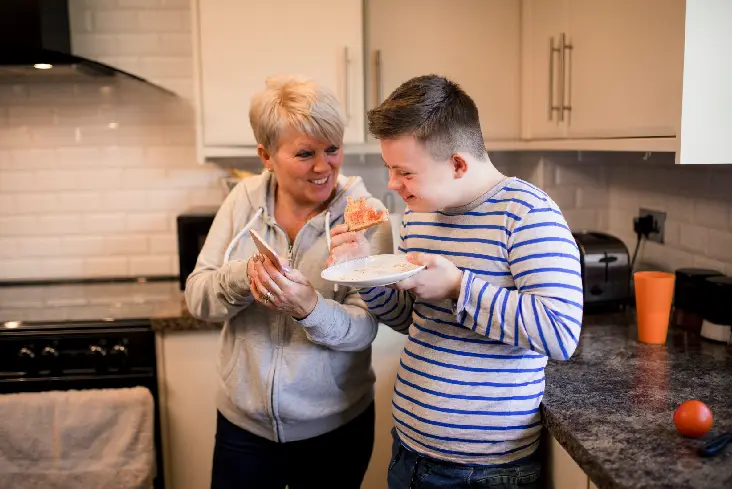
The evidence included which recipes the person chose to cook and the sequencing help they needed to complete them. It showed ability and the specific value of support side by side.